Selva Maya mission highlights timber trade potential
A European timber trade mission to the Selva Maya forest in Guatemala and Mexico in November resulted in initial export contracts with local timber suppliers.
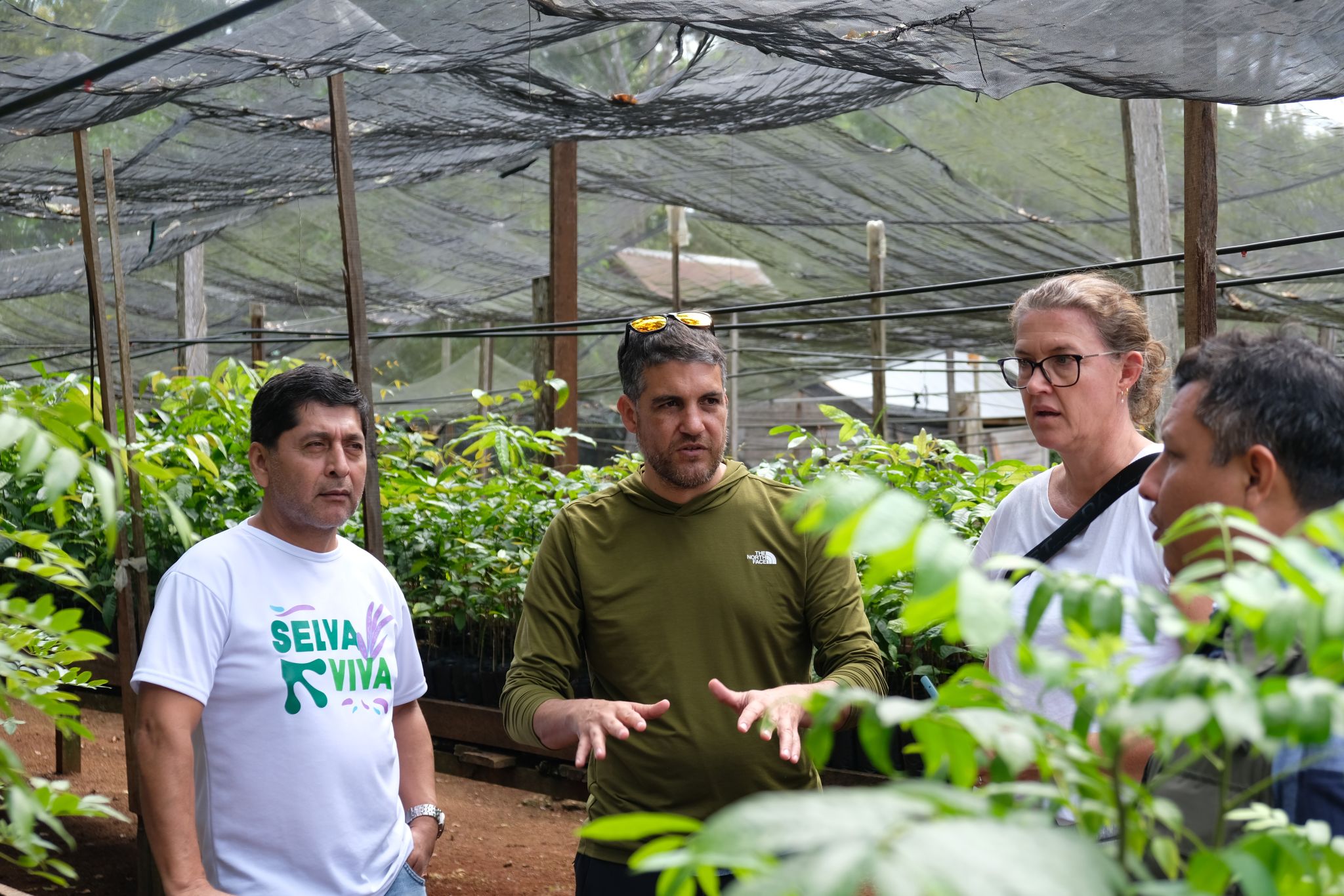
The trip, in November 2024, was co-organised by the NGO Rainforest Alliance in association with Netherlands sustainable forest and timber analysts and advisors Probos, FSC Guatemala and FSC Mexico. The objective was to highlight the range of certified timber available from the region and to explore their market opportunities in Europe. There were meetings with government agencies and representatives of community forests, with presentations on the commercial species of the Selva Maya and timber volumes available. These were followed by visits to forestry and timber operations on the ground to explore processing capacities and supply further.
Ten business delegates took part in the trip.
The turnout was moderate due to various factors,
said Probos Director Manager Mark van Benthem, in an Houtwereld magazine article. But the international trade showed interest and requested further information on wood species and volumes available.
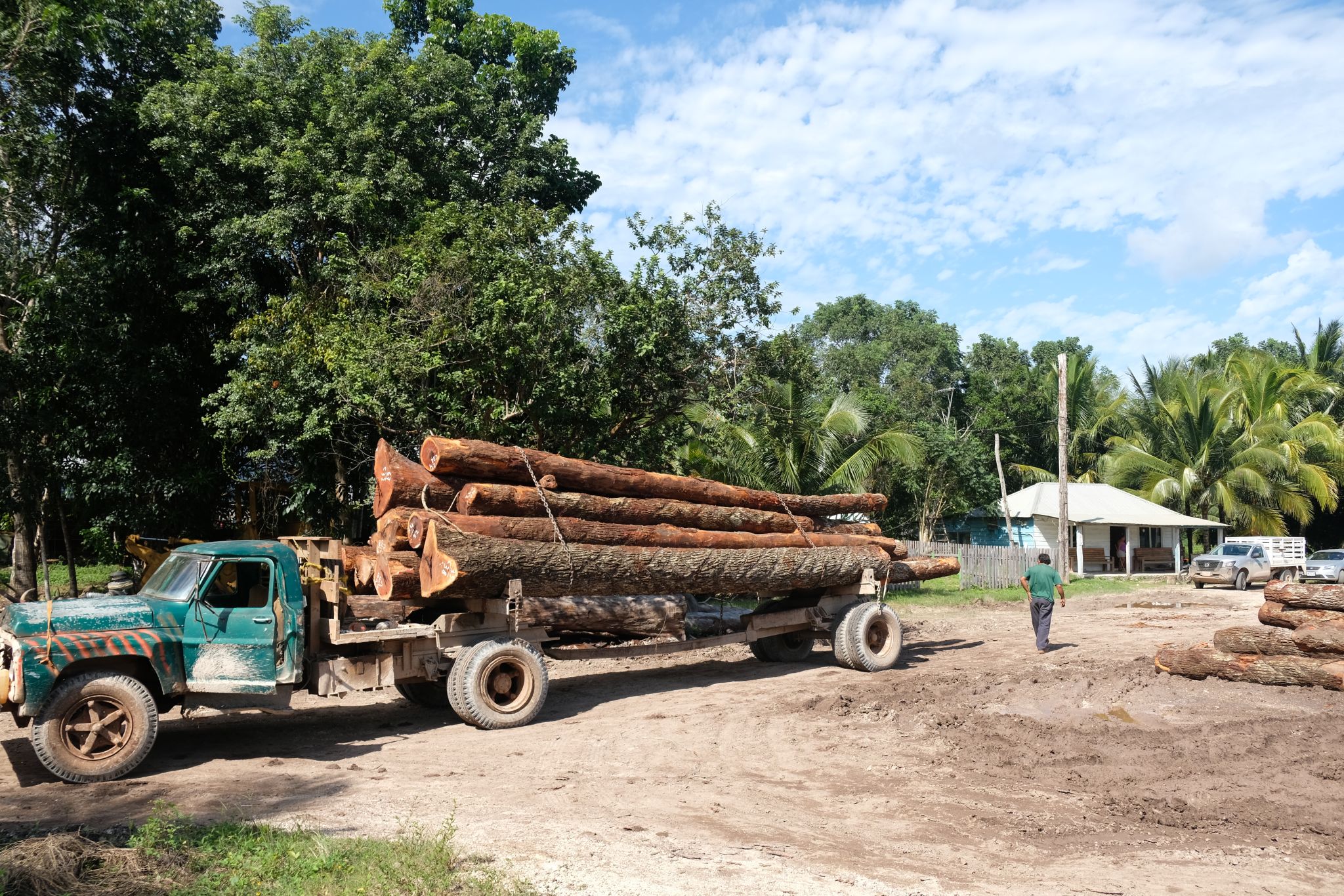
FSC-certification is well-established in the Selva Maya, with some community operations certified for over 30 years. However, the bulk of timber production is focused on swietenia mahogany (as used by US guitar makers Gibson and PRS) and cedrela, which together with three other species make up 90% of harvest. As a result, harvest per hectare is so low – some communities harvest less than 1 tree per hectare due to a lack of demand for lesser-known species – the business case for certified sustainable forest management is under pressure,
said Mr van Benthem. However, he added, the view is that 15 to 20 other species from the Selva Maya are available in viable volumes and have commercial potential.
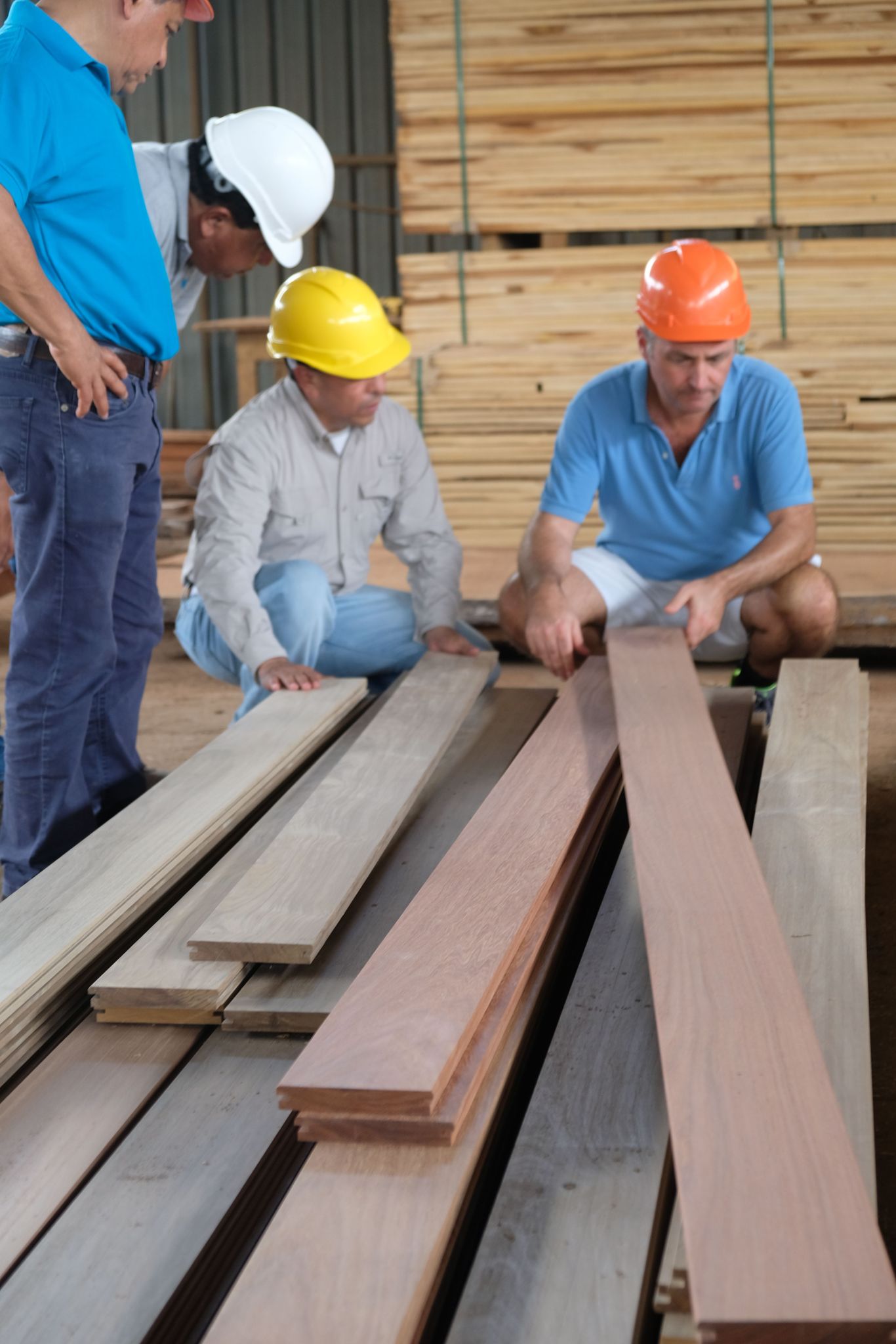
Among those presented in the mission were Massaranduba-related Chicozapote, which is suited to interior and exterior applications, with an annual estimated harvest from the region of 12,700m3. Then there is Tzalam for flooring, furniture and joinery, with an estimated annual harvest of 8,400m3, Pucté used for heavy construction, garden products, flooring and stairs with a harvest of 3,700m3, Manchice, with uses including boat building and construction, with harvest of 3,500m3 a year. Additional varieties include Mano de León, Amapola and Malerio Coloraldo.
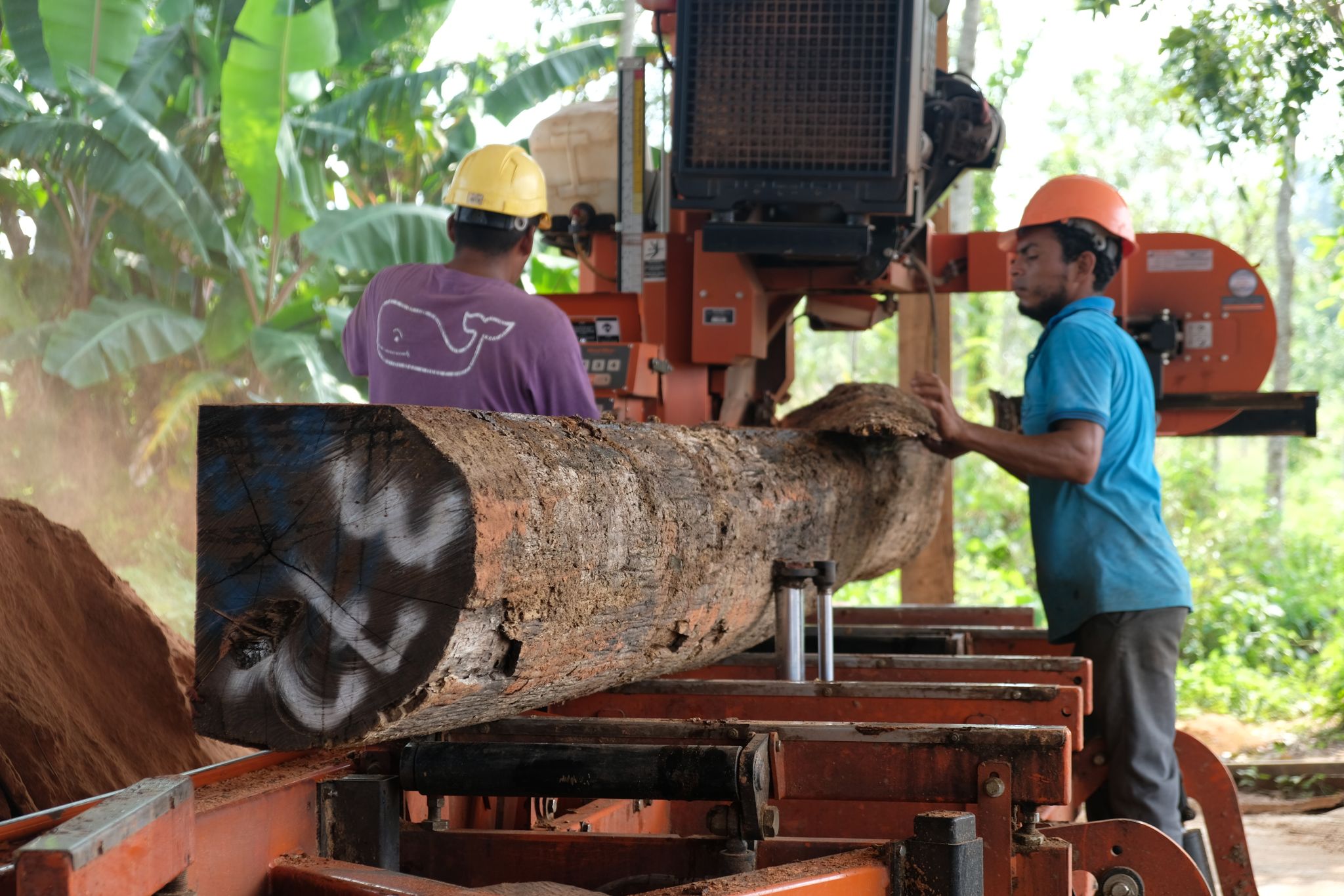
All the forest communities explored have wood processing capacity.
As a rule, they have at least one or more mobile saws to saw roundwood and some also have planers and even CNC capacity,
he said. Direct trade can also be conducted with all communities, and most have international export experience, particularly with the US guitar manufacturers. Forescom, a company founded by 11 communities, also has drying capacity and, for example, boards and garden products are exported ready-made to Leroy Merlin in Spain.
Businesses on the mission were reported as disappointed in the volumes available in more bulk products such as decking.
But participants were enthusiastic about the potential of the region and contracts were concluded with individual communities with the idea of eventually supplying approximately ten containers per year,
said Mr van Benthem. Given its 30 years of demonstrable sustainable forest management, processing capacity and desire to add value, we also believe developing a ‘conservation timber’ product line from Selva Maya, say for furniture, bridges, or walkways, is an obvious choice to tell the story of these communities through use of their wood.
All Photos: © Mark van Benthem, Probos
Teaser Photo: © James Gaither
 Seite drucken
Kommentare